 Vineyard Montessori Institute
info@vineyardinstituteng.org
+234 XXX XXX XXXX
Explore the foundations of Christian Montessori education
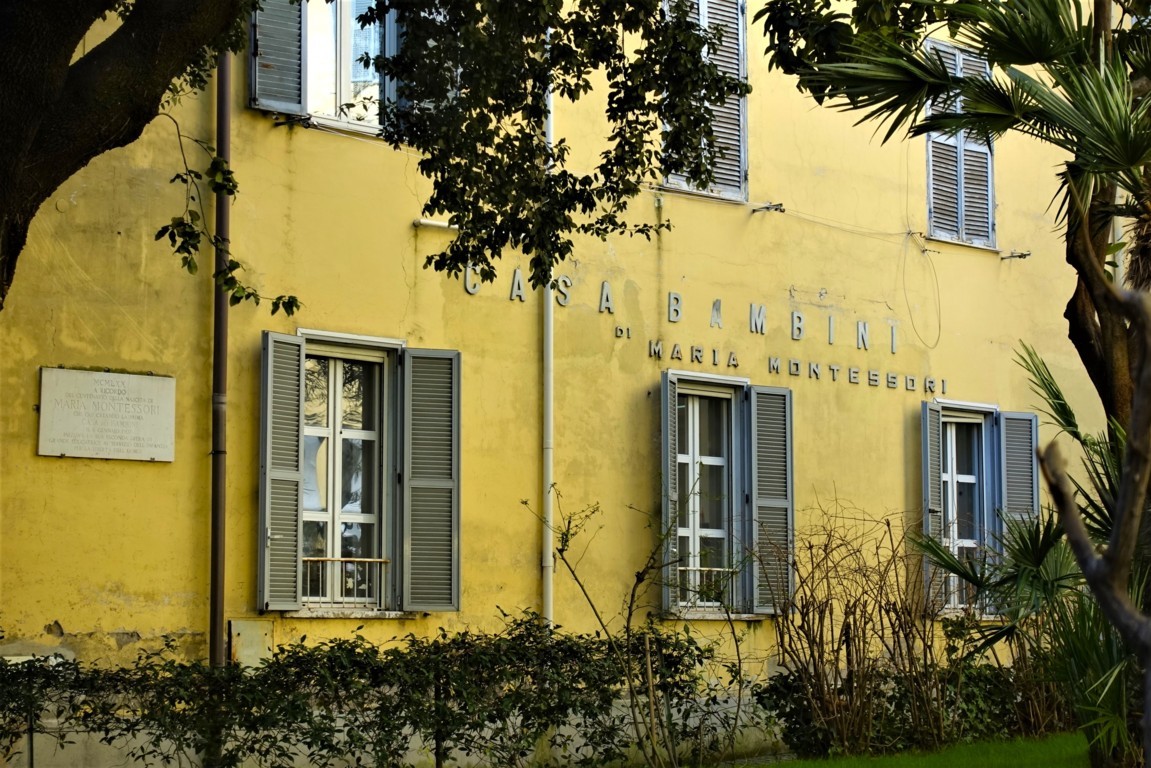
The Epiphany Speech - January 6, 1907
On the 35th anniversary of the first Children's house in Rome, Maria Montessori gave a talk describing the events leading up to that day. On the day the Casa Dei Bambini was commissioned in January of 1907, she had been invited to make a speech at the ceremony.
Read the Full Article"Earlier that day, remembering that it was the feast of the Epiphany, I had read the lesson in my mass book. When I made my speech, I read it as an omen for the work to follow: 'Arise, be enlightened, O Jerusalem; for thy light is come, and the glory of the Lord is risen upon thee...'"
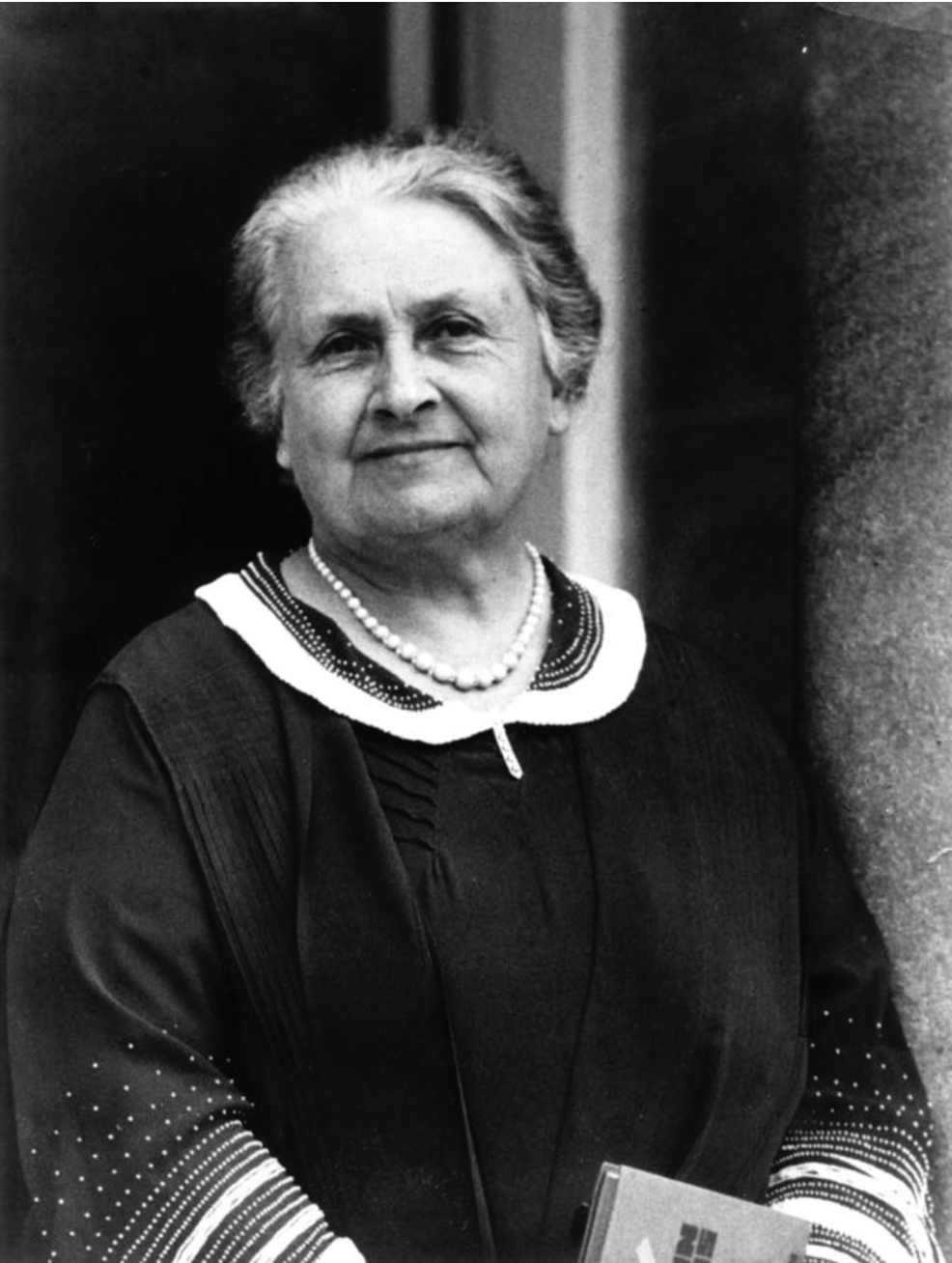
Maria Montessori's Final Words
Just prior to her death in 1952, Dr. Maria Montessori sent this message to teachers from the Catholic Montessori Guild who were gathered at a meeting in London, England.
Read the Full Message"Never, as in this moment, has the Christian faith needed the sincere effort of those who profess it. I would like to ask all of you, who are gathered in this meeting, to consider the great help that children can bring to the defense of our faith."
"Protect in their development those natural energies implanted in the souls of children by the guiding hand of God."
In an interview with David Kahn, Mario Montessori shared the origins of the Montessori elementary program—in the hills of Kodaikanal India.
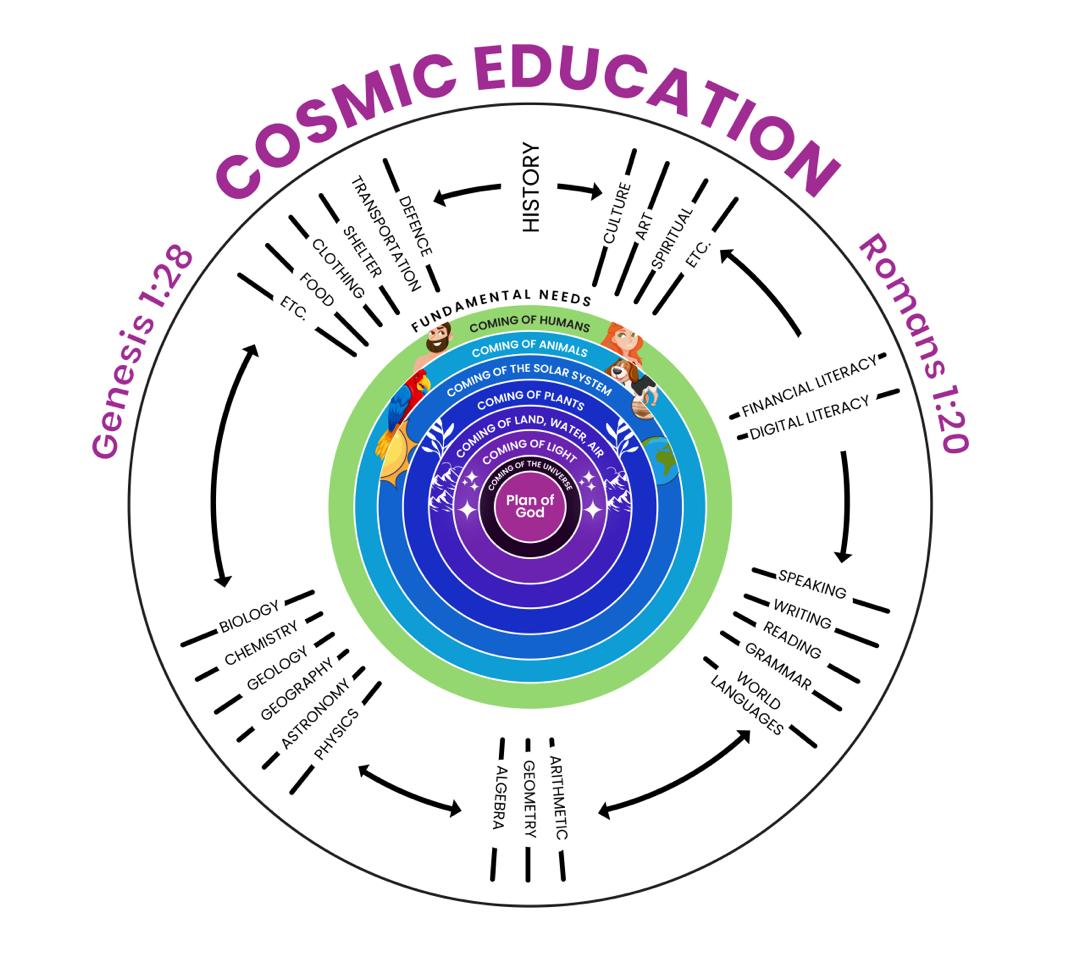
Mario and his mother Maria Montessori were interned during World War 2, from late 1942 to March 1944. During this time, they developed the framework for what would become Cosmic Education.
Read the Transcript"We had made a new discovery which was special and long-lasting—and it all came about in the hills at Kodaikanal where practice and ideals met—and a better vision emerged."
We have curated a list of books that have helped us on our journey. Books are available from Amazon or the CGSUSA website.

Maria Montessori
A foundational Montessori text that explores the child's natural drive toward purposeful work and self-directed learning. Montessori shows how freedom, order, and the prepared environment allow children to develop concentration, independence, and a deep love for learning. This book offers both practical insight and a compelling vision of education grounded in respect for the child's inherent potential.
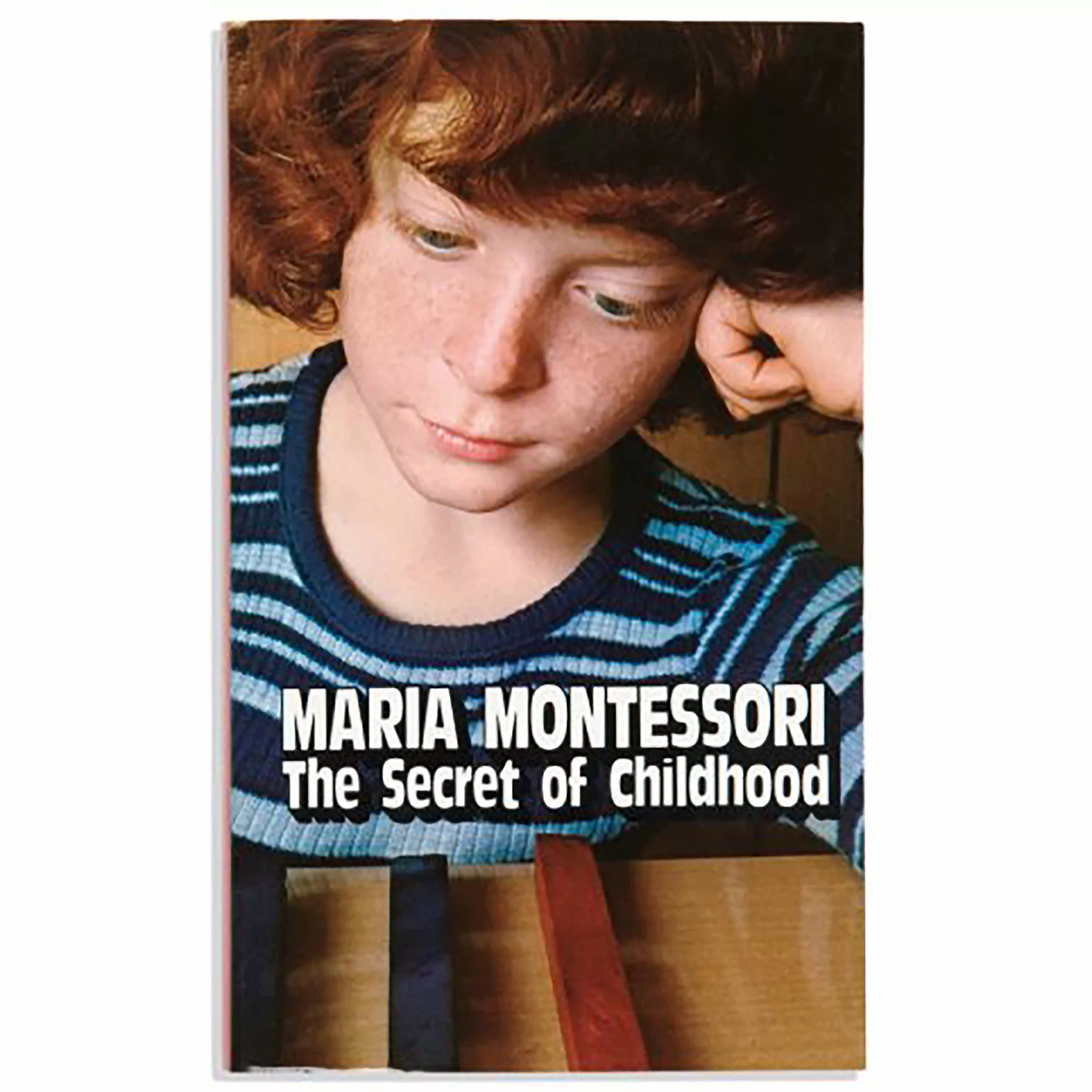
Maria Montessori
Montessori reveals the profound mysteries of early human development, presenting childhood as a purposeful phase with its own laws and needs. She explains key concepts such as the absorbent mind, sensitive periods, order, and the child's quest for independence. This book invites adults to reconsider the child's capabilities and to create environments that protect and nurture the hidden forces shaping early growth.
Maria Montessori & Others
A collection of writings that brings together Montessori's reflections with those of clergy and scholars who recognized the harmony between her discoveries and the life of the Church. The book highlights the spiritual nature of the child, the importance of silence and contemplation, and the educator's role in supporting the child's interior life. It also presents Montessori's early dream of a "third order" of Christian educators who unite scientific understanding with living faith.
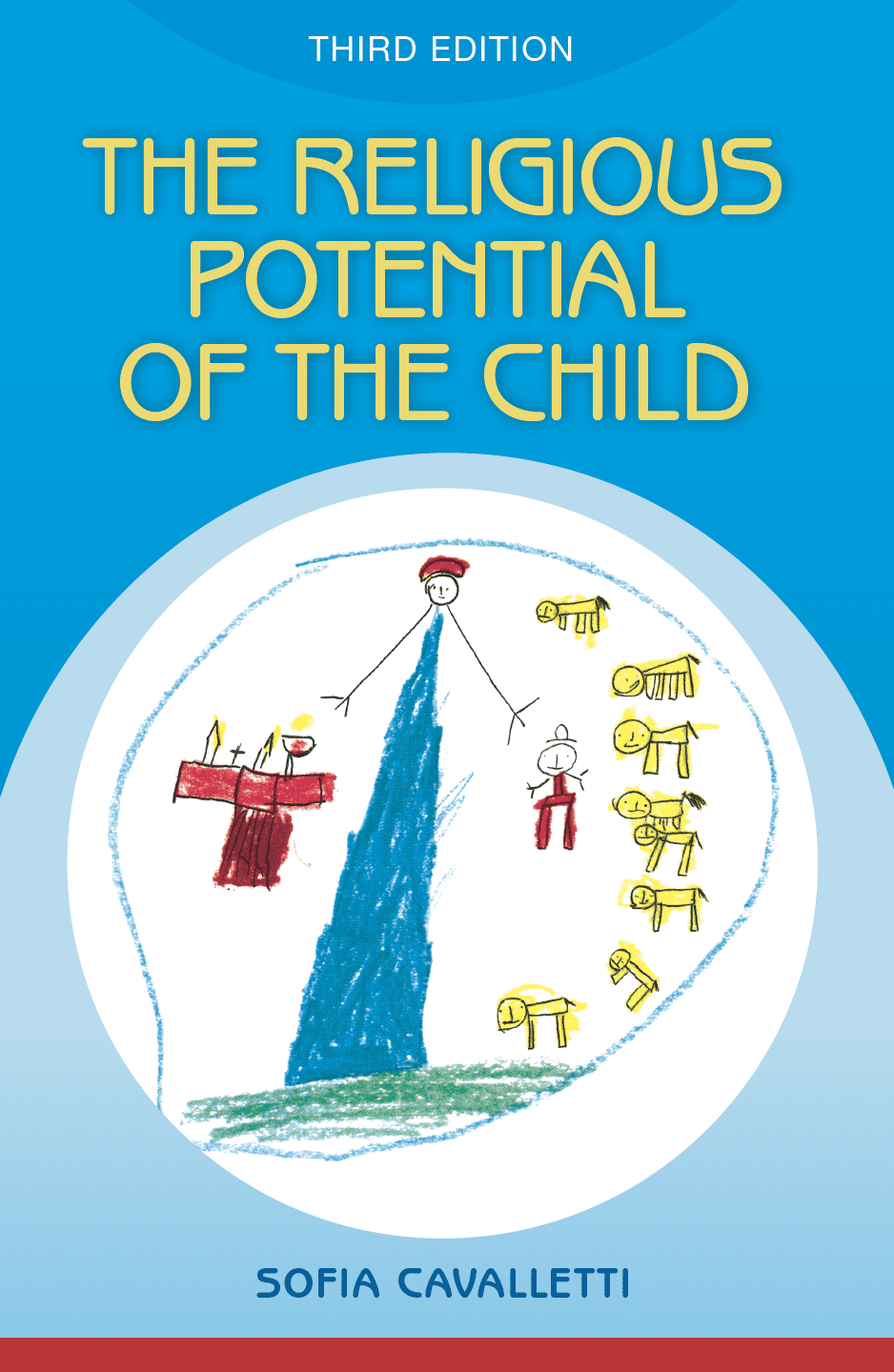
Sofia Cavalletti
Drawing on decades of work in the Catechesis of the Good Shepherd, Cavalletti explores the spiritual life of the young child. She shows that children have a natural capacity for relationship with God and respond deeply to Scripture, liturgy, and parables. Through simple, beautiful presentations rooted in Montessori principles, adults can help children encounter God without pressure, allowing their relationship with Him to unfold naturally.
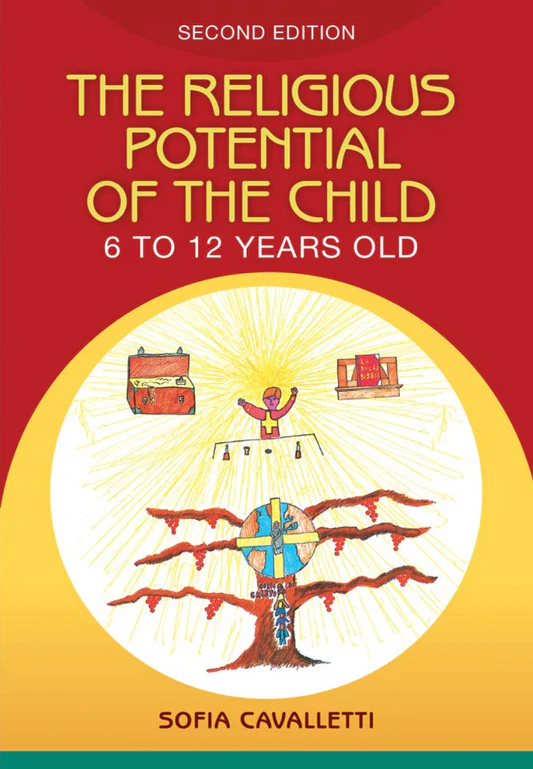
Sofia Cavalletti
This volume focuses on the older child's expanding moral awareness, imagination, and hunger for purpose. Cavalletti outlines how presentations on salvation history, the moral life, and God's plan for the world meet the spiritual needs of the elementary-age child. It shows how their love for big questions, justice, and cosmic understanding becomes fertile ground for deepening faith.
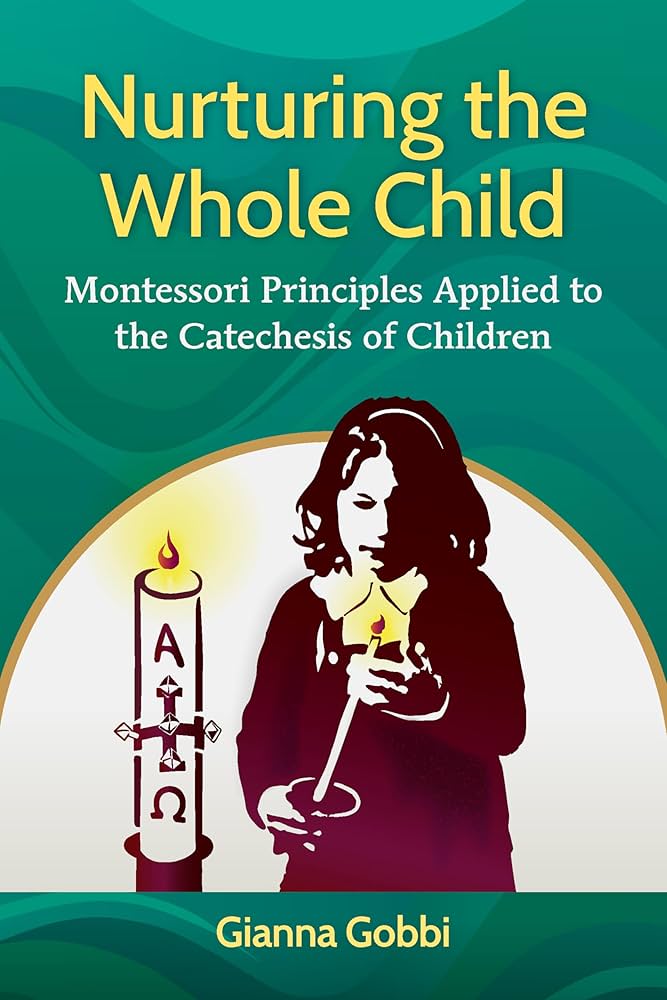
Gianna Gobbi
Gianna Gobbi reflects on the interconnectedness of the child's spiritual, emotional, and intellectual development. Through stories and gentle insight, she illustrates how environments of simplicity, beauty, and quiet help children come into contact with God and their own inner life. The book invites educators to cultivate authenticity, attentiveness, and reverence in their work with children.
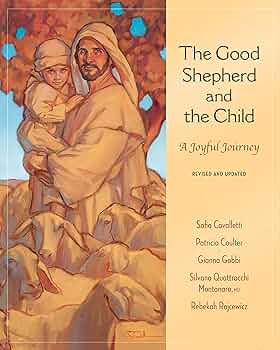
Various Authors
A practical and accessible introduction to the Catechesis of the Good Shepherd for parents, teachers, and church workers. Using Montessori principles, the authors show how children encounter the love of the Good Shepherd through hands-on materials, Scripture, and liturgical symbols. It explains how this approach nurtures peace, joy, and a personal relationship with Christ, and why it resonates so deeply with children.
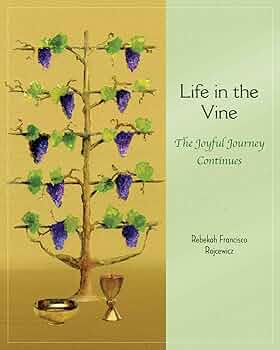
Various Authors
This reflective work builds on the themes of the Good Shepherd catechesis, focusing on the ongoing life of discipleship. It explores how children—and the adults accompanying them—grow in community, stewardship, prayer, and joyful belonging to God's people. Through Scripture, liturgy, and lived experience, the book highlights the spiritual rhythms that sustain a life "abiding in the Vine."